Blog

  • Picking the Right Multivitamin

    Picking the Right Multivitamin

    There are so many options out on the market for multivitamins but what does our body really need?

    Women 18-45 need the following in a multivitamin:

    Daily Uptake Levels

    Vitamin A 700 μg
    Vitamin D 600 IU
    Vitamin E 15 mg
    Vitamin K 90 μg
    Vitamin B1 (Thiamin) 1.1 mg
    Vitamin B2 (Riboflavin) 1.1 mg
    Vitamin B3 (Niacin) 15 mg
    Vitamin B5 (Pantothentic Acid) 5 mg
    Vitamin B7 (Biotin) 30 μg
    Vitamin B6 (pyridoxine) 1.3 mg
    Vitamin B9 (Folate) 400 μg
    Vitamin B12 (Cobalamin) 2.4 μg
    Vitamin C 74 mg
    Choline 425 mg
    Sodium 1.5 g
    Potassium 4.7 g
    Chloride 2.3 g
    Calcium 1,000 mg
    Phosphorus 700 mg
    Magnesium 310 mg
    Iron 18 mg
    Zinc 8 mg
    Selenium 55 μg
    Iodine 150 μg
    Copper 900 μg
    Manganese 1.8 mg
    Fluoride 3 mg
    Chromium 25 μg
    Molybdenum 45 μg
    Water 2.7 L

    Women over 45 need the following in a multivitamin:

    Daily Uptake Levels

    Vitamin A 700μg
    Vitamin D 600 IU
    Vitamin E 15 mg
    Vitamin K 90 μg
    Vitamin B1 (Thiamin) 1.1 mg
    Vitamin B2 (Riboflavin) 1.1 mg
    Vitamin B3 (Niacin) 15 mg
    Vitamin B5 (Pantothentic Acid) 5 mg
    Vitamin B7 (Biotin) 30 μg
    Vitamin B6 (pyridoxine) 1.5 mg
    Vitamin B9 (Folate) 400 μg
    Vitamin B12 (Cobalamin) 2.4 μg
    Vitamin C 74 mg
    Choline 425 mg
    Sodium 1.3 g
    Potassium 4.7 g
    Chloride 2.0 g
    Calcium 1,200 mg
    Phosphorus 700 mg
    Magnesium 320 mg
    Iron 8 mg
    Zinc 8 mg
    Selenium 55 μg
    Iodine 150 μg
    Copper 900 μg
    Manganese 1.8 mg
    Fluoride 3 mg
    Chromium 20 μg
    Molybdenum 45 μg
    Water 2.7 L

    Men 18-45 need the following in a multivitamin:

    Daily Uptake Levels

    Vitamin A 900 μg
    Vitamin D 600 IU
    Vitamin E 15 mg
    Vitamin K 120 μg
    Vitamin B1 (Thiamin) 1.2 mg
    Vitamin B2 (Riboflavin) 1.3 mg
    Vitamin B3 (Niacin) 16 mg
    Vitamin B5 (Pantothentic Acid) 5 mg
    Vitamin B7 (Biotin) 30 μg
    Vitamin B6 (pyridoxine) 1.3 mg
    Vitamin B9 (Folate) 400 μg
    Vitamin B12 (Cobalamin) 2.4 μg
    Vitamin C 90 mg
    Choline 550 mg
    Sodium 1.5 g
    Potassium 4.7 g
    Chloride 2.3 g
    Calcium 1,000 mg
    Phosphorus 700 mg
    Magnesium 400 mg
    Iron 8 mg
    Zinc 11 mg
    Selenium 55 μg
    Iodine 150 μg
    Copper 900 μg
    Manganese 2.3 mg
    Fluoride 4 mg
    Chromium 35 μg
    Molybdenum 45 μg
    Water 3.7 L

    Women 18-45 need the following in a multivitamin:

    Daily Uptake Levels

    Vitamin A 900 μg
    Vitamin D 600 IU
    Vitamin E 15 mg
    Vitamin K 120 μg
    Vitamin B1 (Thiamin) 1.2 mg
    Vitamin B2 (Riboflavin) 1.3 mg
    Vitamin B3 (Niacin) 16 mg
    Vitamin B5 (Pantothentic Acid) 5 mg
    Vitamin B7 (Biotin) 30 μg
    Vitamin B6 (pyridoxine) 1.7 mg
    Vitamin B9 (Folate) 400 μg
    Vitamin B12 (Cobalamin) 2.4 μg
    Vitamin C 90 mg
    Choline 550 mg
    Sodium 1.3 g
    Potassium 4.7 g
    Chloride 2.0 g
    Calcium 1,000 mg
    Phosphorus 700 mg
    Magnesium 420 mg
    Iron 8 mg
    Zinc 11 mg
    Selenium 55 μg
    Iodine 150 μg
    Copper 900 μg
    Manganese 2.3 mg
    Fluoride 4 mg
    Chromium 30 μg
    Molybdenum 45 μg
    Water 3.7 L


    Disclaimer: These statements have not been evaluated by the FDA. These products are not intended to diagnose, treat, cure, or prevent any disease.

  • What do your vitamins do for you?

    What do your vitamins do for you?

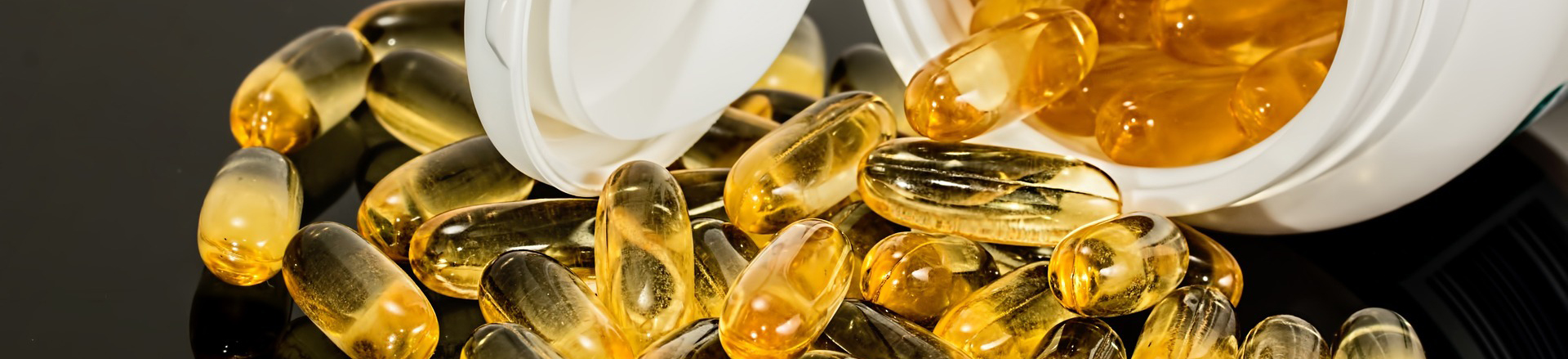
    If you’re diet isn’t already providing all of the vitamins your body needs, you may consider adding supplements. But what vitamins and supplements do you need? Here’s a list to help you select the right vitamins for your lifestyle:

    Vitamin A is important for vision, our immune system and reproduction.

    Vitamin D is important for regulation of calcium and phosphorus absorption, maintenance of healthy bones and teeth.

    Vitamin E is an antioxidant. It helps protect against cell damage. Is key for strong immunity, healthy skin and eyes.

    Vitamin K is important in blood clotting.

    All B vitamins help the body convert food carbohydrates into fuel (glucose), which the body uses to produce energy.

    Vitamin B1 (Thiamin) helps the body metabolize fats and protein.

    Vitamin B2 (Riboflavin) crucial in breaking down food components, absorbing other nutrients, and maintaining tissues.

    Vitamin B3 (Niacin) releases energy into the body’s cells. Reduces high blood cholesterol levels.

    Vitamin B5 (Pantothenic Acid) helps lower LDL (bad) cholesterol and raises HDL (good) cholesterol.

    Vitamin B7 (Biotin) helps keep skin, nails, hair, eyes, liver and nervous system healthy.

    Vitamin B6 (pyridoxine) helps support adrenal function, help calm and maintain a healthy nervous system and are necessary for key metabolic processes.

    Vitamin B9 (Folate) is crucial for proper brain function and plays an important role in mental and emotional health.

    Vitamin B12 (Cobalamin) helps produce healthy levels of red blood cells.

    Vitamin C helps the body form and maintain connective tissue, including bones, blood vessels and skin.

    Choline is critical in normal liver metabolism.

    Sodium helps maintain normal blood pressure and normal function of muscles and nerves.

    Potassium prevents heart disease.

    Chloride helps maintain proper blood volume, blood pressure, and pH of bodily fluids.

    Calcium is required for the formation of bones and for bodily functions like muscle contractions and blood clotting.

    Phosphorus helps keep bones and teeth strong.

    Magnesium is crucial for nerve transmission, muscle contraction, blood circulation, energy production, nutrient metabolism and bone cell formation.

    Iron helps red blood cells provide oxygen to your cells and tissues. Increases energy.

    Zinc necessary for proper function of immune system and digestion.

    Selenium is necessary for cognitive function, a healthy immune system and fertility of both men and women.

    Iodine regulates metabolism and development in both skeleton and brain.

    Copper plays a role in formation of connective tissue and in normal function of muscles and the immune and nervous system.

    Manganese is important for healthy bone structure, bone metabolism, and helping to create essential enzymes for building bones.

    Fluoride prevents disease and tooth decay.

    Chromium is essential for processing and regulating blood sugar, helps insulin transport glucose into cells, where it can be used for energy.

    Molybdenum is crucial for human health. Acts as a catalyst for enzymes and helps facilitate the breakdown of amino acids.

    Water regulates body temperature. Helps improve skin color and building of new cells.


    Disclaimer: These statements have not been evaluated by the FDA. These products are not intended to diagnose, treat, cure, or prevent any disease.

  • Tips & Tricks for Proper Nutrition

    Tips & Tricks for Proper Nutrition

    On the Go?

    People are constantly on the go and use time as the excuse for not eating properly. Well, here is an easy guide to ensure that even at school, work, traveling or home you can ensure your fueling your body properly.

    Eat at least one dark green and one orange vegetable each day. Choose green vegetables such as kale, broccoli, spinach, asparagus or artichoke. Choose orange vegetables such as carrots, sweet potato, bell pepper, butternut squash, spaghetti squash, or acorn squash.

    Eat vegetables and fruit that have been prepared with minimal fat, sugar or salt. Enjoy vegetable steamed, replace oils or butter with water, add fresh herbs in place of salts. Opt for the baked option rather than stir-fried or deep-fried.

    Enjoy vegetables and fruits more often than juice. Pick a juicy orange, apple or watermelon to hit that juice craving. Carrots, celery, and cucumber add a delicious high water content to your diet to quench thirst. Freshly juice your veggies and fruit and drink within the first 10 minutes to get all of the vitamins and minerals.

    Make at least half of your grain products whole grains each day. Eat a variety of whole grains such as barley, brown rice, quinoa, lupin seed, hemp seed or wild rice. Enjoy the true taste of grains by using minimal amounts of sauces, spreads or oils.

    Make a healthy choice in grains that are lower in fat, sugar and salt. Compare nutrition fact labels and make a wise decision. Remember if you cannot pronounce it leave it on the shelf.

    Minimize your dairy intake as they can cause bloating. Try alternative milks from soy, almonds, cashews, coconuts and rice. Check labels to get the purest form of this product and watch for added sugars, salts, and other ingredients.

    Have red meat only once every other week. Keep animal proteins to a minimum as our body cannot digest these proteins as well as plant based proteins. Make alternative choices such as portabella mushrooms, beans, legumes, grains or soy products. Make a point to eat vegetarian at least one to two days a weeks to help reset your body’s pH.

    Drink plenty of water. If you prefer flavored water naturally infuse your own with mint, lemon, orange, cucumber, or frozen fruits. We need to stay hydrated inside and out.

    Remember to eat to live not live to eat. We have one body so take care of yourself!


    Disclaimer: These statements have not been evaluated by the FDA. These products are not intended to diagnose, treat, cure, or prevent any disease.

  • Simple Solution to Acne

    Simple Solution to Acne

    Acne is a common skin condition characterized by inflammation of sebaceous glands. There is no magic cure for acne. Gradual improvements will come over time.  Factors that trigger acne are diet, stress (emotional & environmental), oral contraceptives, hormone changes, allergy changes and rigid exercise. Acne can be cleared you just have to get the correct balance for your body.

    Some lifestyle changes will help clear up acne. Wash twice a day with normal soap and after exercise to remove sweat from skin. Avoid oil-based skin care as it will cause irritation to skin. When you have a break out try to avoid, scraping, picking or squeezing as this will irritate the troubled area and make worse. Squeezing can burst the gland there for furthering the irritation.

    When it come to diet try and remember you are what you eat. If you have a high saturated fat, high sugar, high sodium based diet you will tend to have more oils in your face. Keep hydrated to ensure your skin can keep it’s luster. Try and eat a well balanced diet with plant based proteins, fresh fruits and vegetables. Avoid dairy as milk can cause inflammation in some acne sufferers. Avoid additives and preservatives. Shop the outside perimeter of the grocery store to keep your diet fresh and whole.

    Vitamin E, A, Zinc and Copper are all very effective in fighting acne from the inside out. If the acne comes upon menstruation B6 is great for female acne sufferers. Take 200 IU of Vitamin E, 2500 IU of Vitamin A, and 135 mg of Zinc and 2 mg of Copper a day. These can be taken in supplement form. Vitamin E can be added in liquid form as a flax seed oil or coconut oil.

    Tea tree oil is a great topical remedy for acne. On the onset dab area dry with cotton swap and apply liberally to affected area. Try and cycle tea tree oil every three months as your body will build immunity to the healing benefits. Lavender oil is another lighter remedy for acne. Being less astringent lavender oil would be great to use in between cycles of tea tree oil.

    When treating acne remember to not give up. There may be a few trial and error remedies, but you will find the best fit for your skin. Everyone has a different pH, therefore whats works for one person may not work for another.


    Disclaimer: These statements have not been evaluated by the FDA. These products are not intended to diagnose, treat, cure, or prevent any disease.

  • What is the problem with GMO’s

    What is the problem with GMO’s

    There are benefits and controversies surrounding Genetically Modified Organism (GMO) foods. These are plant crops and animals that have been modified and achieved by DNA manipulation and biotechnologies. With this the seed or animals are genetically modified to meet the needs of consumers. Making consumers look at the supply and demand of these crops and animals in our nation.

    The benefit of the these GMO crops is it will enhance taste and quality of produce. GMO crops are reduced in maturation time. There is an increase in nutrients, yields, and stress tolerance. Improved resistance to disease, pests, and herbicides. With these crops there are new products and growing techniques for farmers.

    As far as GMO livestock the animals will increase in resistance, productivity, hardiness and feed efficiency. Better yields of meat, eggs and milk. Improved livestock health and diagnostic methods.

    GMO corporate claims as the impact of the environment is that GMOs are “friendly” bioherbicides and bioinsecticides. Conservation os soil, water, and energy. Better natural waste management. They claim more efficient processing. GMO corporations fight that they provide increased food security for growing populations .

    Here are the controversies surrounding GMOs. First and foremost if the safety of GMOs as they have potential human health impacts, including allergens, transfer of antibiotic resistance markers, and the unknown effects. The potential of environmental impacts, including unintended cross pollination, unknown effects on the soils and microbes and loss of flora and fauna biodiversities.

    There is a fear of domination of world food production by few corporations. Increasing our dependencies on industrial nations by developing countries. Biopiracy, or foreign exploitation of natural resources.

    As far as ethics go; there is a violation of natural organisms’ intrinsic value. The effects of tampering with nature by mixing genes among species. There are many objections to consuming animal genes in plants and visa versa. Along with the concern of the stress this puts on animals.

    Labeling is not mandatory in some countries including the united States of America. Mixing GM crops and non-GM products confounds labeling attempts. This new advance might be skewed to interests of rich countries.

    There is a lot that we have not heard as far as the longterm impact GM crops will have on our health and environment. Until, we have all of the facts it should be advised to choose GMO free foods. We have one body, fuel it smartly.


    Disclaimer: These statements have not been evaluated by the FDA. These products are not intended to diagnose, treat, cure, or prevent any disease.

  • Raw Food High Energy Bars to Power Up Your Day

    Raw Food High Energy Bars to Power Up Your Day

    If you’re on a raw food diet and are feeling like there isn’t a lot that you can eat, it’s time to think again. Raw food eating has become more and more popular over the last few years with many people realizing the different benefits that can come about by using this way of nutrition.

    How can raw food benefit you?

    Benefits Of Raw Food Eating

    The first benefit most people notice from using this diet is increased energy. You’ll no longer be putting so much strain on your digestive system to break down and digest all the toxic food that most people put into their system. Instead, you’ll be feeding yourself wholesome foods in their most natural state.

    In addition to this, you’ll also see your nutritional status go up. Eating uncooked foods often means they have more total nutritional density as nutrients have not been lost throughout the cooking process.

    Finally, raw food eating can save time. If you don’t have to cook and prepare your foods, you can create a meal in a hurry.

    Raw Food High Energy Bars

    As you begin using this nutrition plan, you do need to watch that your calorie intake stays high enough. If you have a tendency to load up on fruits, vegetables, and salads, it can mean that you start to fall deficient. While these foods are very healthy, they are also very low in calorie content.

    This high energy bar recipe will change that. Pack one of these along with you for a mid-morning snack or for a pre-workout treat and you’ll have energy to spare.

    They also combine complex carbohydrates, healthy fats, and protein, giving you everything that your body needs to function optimally.

    Prepare a large batch of this recipe so you always have these bars on hand. After preparation, simply wrap them in plastic wrap and store in the fridge or even the freezer (if using for long-term storage) until serving.

    ½ cup slivered almonds
    ¼ cup pumpkin seeds
    ¼ cup walnut pieces
    ½ cup raisins
    ½ cup dates, sliced
    ¼ cup unsweetened coconut flakes
    ¼ cup natural almond butter (pure)
    ¼ cup organic honey
    1 tbsp melted coconut oil

    Melt the coconut oil in a saucepan and then combine with the honey and almond butter. To this mixture, add the remaining ingredients until well coated. Press into an 8 X 8 inch pan and then place in the fridge until set. Slice into bars and then serve.


    Disclaimer: These statements have not been evaluated by the FDA. These products are not intended to diagnose, treat, cure, or prevent any disease.

  • Is organic food more nutritious than conventional?

    Is organic food more nutritious than conventional?

    Recent research flies in the face of studies that found no nutritional differences between conventional and organic foods. [1]

    Organic dairy appears to be more nutritious

    A study published in the British Journal of Nutrition in 2016 found that organic milk contains significantly higher levels of polyunsaturated fatty acids, omega-3 fatty acids, alpha-tocopherol, and iron than conventional milk. [2] The differences in feeding regimens explained the observed difference. Cows raised organically eat higher levels of fresh forage (e.g. grass), which increases concentrations of fatty acids, antioxidants, and vitamins.

    However, not all vitamins were higher in organic milk. Organic milk contained slightly lower levels of iodine and selenium compared to conventional milk. [3] This difference is likely due to the vitamin and mineral supplementation utilized by conventional farmers. Although organic dairy farmers are allowed to use nutritional supplementation, the majority of the cow’s nutrition comes from grazing. Soil levels of iodine and selenium have degraded over the years. Consequently, the food (in this case cow’s milk) will only be as nutritious as the soil that grew the cow’s food.

    Organic produce

    Another meta-analysis published in the British Journal of Nutrition in 2014 found meaningful differences between organic and conventional crops. [4] Polyphenols were significantly higher in organic foods. Polyphenols play important roles in plant ecology, such as releasing and suppressing growth hormone, UV protection, deterrence of herbivores, prevention of infections, signaling growth processes, and preservation against rot.

    Health protective plant chemicals were substantially higher in organic produce than conventional produce:

    • Phenolic acids were 19% higher

      • Phenolic acids are absorbed through the intestinal walls, and function as antioxidants that prevent cellular damage and inflammation. [5]
    • Flavanones were 69% higher

      • Flavanones are a subgroup of flavonoids found in citrus fruits that function as antioxidants that prevent free radical damage, cancer, and diabetes; boost blood and vessel health; and protect the liver. [6]
    • Stilbenes were 28% higher

      • Stilbenes are another type of antioxidant and anti-inflammatory polyphenol, such as resveratrol (everyone’s favorite excuse to drink red wine). [7]
    • Flavones were 26% higher

      • Flavones inhibit aromatase activity and decrease estrogen to protect against breast and prostate cancers. [8]
    • Flavonols were 50% higher

      • Flavonols are also members of the flavonoid family associated with reduced risk of cardiovascular disease, mortality, stroke, and hypertension; reduced inflammation; and increased physical endurance. [9]
    • Anthocyanins were 51% higher

      • Anthocyanins are antioxidants that have been shown to boost cognitive function, protect liver and eye health, prevent cancer (e.g. breast, prostate, colon, oral, and tumor metastasis), reduce high cholesterol and risk of heart disease, and assist with healthy weight. [10]

    Additionally, pesticide residues were four times higher in conventional produce than in organic produce. Conventional produce also had significantly higher concentrations of toxic metal cadmium. According to Occupational Safety and Health Administration (OSHA), cadmium exposure has been shown to be highly toxic, cause cancer, and target multiple body systems (e.g. cardiovascular, renal, gastrointestinal, neurological, reproductive, and respiratory). [11]

    Higher concentrations of health-promoting antioxidants and lower concentrations of toxic heavy metals were attributed to adherence to organic farming practices that do not involve synthetic fertilizers. [12] As a result, organic crops grow more slowly. They have more time to produce secondary plant metabolites and uptake nutrients from the soil. [13] Organic farmers tend to take good care of their soil with crop rotation and compost application.

    Organic plants have to fight stress just like we do

    The same compounds that help the plant survive their stress help us deal with the stress of our environment.

    Unlike conventionally raised crops, organic plants are not sprayed with tons of synthetic insecticides, herbicides, fungicides, and other agrochemicals. They must naturally build up defenses—via polyphenols and other compounds—to ward off insects, pests, and predators. They must compete with other plants (e.g. weeds) for the resources to grow, and be resilient in the face of unfavorable growing conditions.

    In light of more recent data, organic food appears to be more nutritious. What do you think? Are you skeptical? Does it even matter to you? Leave your thoughts in the comments below.


    References:

    [1] http://annals.org/aim/article/1355685/organic-foods-safer-healthier-than-conventional-alternatives-systematic-review
    [2] https://www.ncbi.nlm.nih.gov/pmc/articles/PMC4838834/
    [3] https://www.ncbi.nlm.nih.gov/pmc/articles/PMC4838834/
    [4] https://www.ncbi.nlm.nih.gov/pubmed/24968103
    [5] https://www.verywell.com/what-is-phenolic-acid-2507071
    [6] http://freefitnesstips.co.uk/5-flavanone-health-benefits/
    [7] https://www.verywell.com/stilbenes-plant-antioxidants-2507072
    [8] http://www.zhion.com/phytonutrients/Flavonols.html
    [9] http://easacademy.org/trainer-resources/article/the-effect-of-flavonols-on-health-and-exercise-eas-academy
    [10] http://www.naturallivingideas.com/7-reasons-to-eat-more-anthocyanins-and-top-foods/
    [11] https://www.osha.gov/SLTC/cadmium/
    [12] https://www.ncbi.nlm.nih.gov/pubmed/24968103
    [13] http://www.npr.org/sections/thesalt/2016/02/18/467136329/is-organic-more-nutritious-new-study-adds-to-the-evidence


    Disclaimer: These statements have not been evaluated by the FDA. These products are not intended to diagnose, treat, cure, or prevent any disease.
  • The Truth About Pesticides And Your Health + Safe Food Shopping Guide

    The Truth About Pesticides And Your Health + Safe Food Shopping Guide

    It’s not super easy to get to the truth about America’s pesticide usage. The latest data I could find were market estimates from 2006-2007 published in 2011. [1]

    According to the United States Environmental Protection Agency (EPA), the United States used 5.6 billion pounds of pesticides in 2006 and 2007. [2] That’s about 2.8 billion pounds per year! I can only imagine how use has increased in the past decade.

    Unfortunately, the majority of pesticides fail to reach the intended targets in their application sites (e.g. the pests and weeds). As a result, these rogue chemicals end up contaminating food, air, and water, and negatively affect the well-being of humans and non-human animals.

    The seeming omnipresence of pesticides in the environment has been linked to various physical and mental health problems: [3]

    1. Cancers, especially in children [4]
    2. Birth defects
    3. Learning disabilities and deficits
    4. Developmental delays
    5. Lower IQ
    6. Neurological problems (e.g. learning, memory, attention)
    7. Autism and ADHD [5]
    8. Decreased fertility
    9. Endocrine disruption

    Who is at risk?

    People and animals who regularly eat conventional foods grown with agrochemicals are at an elevated risk of developing health problems.

    Additionally, humans and non-human animals who live near sprayed crops are at risk. [6] This makes me quiver as I think back to the years I lived in an apartment complex sandwiched between fields of GMO corn and soy doused with Round Up.

    Infants and young children comprise an additional at-risk population due to their developing brains and bodies.[7] Compared to adults, children eat more food relative to their size, and are ill-equipped to process chemicals that enter their bodies. [8]

    According to a review by Grandjean and Landrigan (2006), children living in areas with high levels of pesticides developed impaired hand-eye coordination and short-term memory, decreased physical stamina, and trouble drawing. [9]

    Pregnant mothers are advised to be very mindful of what they put on and into their bodies. During fetal development, exposure to industrial chemicals causes brain injury at much lower doses than during adulthood.[10]

    What’s safe to eat?

    Pesticides contaminate most conventional produce. The Environmental Working Group reported that USDA testing found traces of at least one pesticide on 75% of fruit and vegetables sampled in 2014. [11]

    Eating organic produce is the best way to eliminate the harmful effects of pesticides on your health.

    Safe Food Shopping Guide

    Although organic is always the better choice, often budgetary limits prevent buying 100% organic fruits and vegetables. Below I have included the Environmental Working Group’s notorious Dirty Dozen and Clean Fifteen to assist you with your shopping. [12]

    The “Dirty Dozen” most contaminated fruits and vegetables include: [13]

    1. Strawberries
    2. Apples
    3. Nectarines
    4. Peaches
    5. Celery
    6. Grapes
    7. Cherries
    8. Spinach
    9. Tomatoes
    10. Bell peppers
    11. Cherry Tomatoes
    12. Cucumbers

    The Clean 15 least contaminated fruits and vegetables include: [14]

    1. Avocados
    2. Corn*
    3. Pineapples
    4. Cabbage
    5. Sweet peas
    6. Onions
    7. Asparagus
    8. Mangoes
    9. Papayas*
    10. Kiwi
    11. Eggplant
    12. Honeydew
    13. Grapefruit
    14. Cantaloupe
    15. Cauliflower

    *I would recommend buying organic corn and papayas, as they are amongst the most common genetically modified crops. [15]

    How do you protect yourself and your loved ones from pesticides?


    References:

    [1] http://www.panna.org/sites/default/files/EPA%20market_estimates2007.pdf
    [2] http://www.panna.org/sites/default/files/EPA%20market_estimates2007.pdf
    [3] https://www.nrdc.org/issues/ban-dangerous-pesticides
    [4] http://www.ewg.org/research/pesticide-industry-propaganda-real-story/pesticides-and-childhood-cancer-references
    [5] http://www.thepetitionsite.com/takeaction/186/416/083/
    [6] http://www.ewg.org/research/industrys-myths/myth-4-nobody-has-ever-been-hurt-exposure-pesticides-low-doses
    [7] http://www.ewg.org/research/pesticide-industry-propaganda-real-story/pesticides-and-childhood-cancer-references
    [8] http://www.ewg.org/enviroblog/2016/05/five-essential-facts-about-pesticides-fruits-and-vegetables
    [9] http://fundrogertorne.org/web2015/wp-content/uploads/2015/10/developmental-neurotoxicity-of-industrial-chemicals-grandjean-landrigan.pdf
    [10] http://fundrogertorne.org/web2015/wp-content/uploads/2015/10/developmental-neurotoxicity-of-industrial-chemicals-grandjean-landrigan.pdf
    [11] http://www.ewg.org/enviroblog/2016/05/five-essential-facts-about-pesticides-fruits-and-vegetables
    [12] https://www.ewg.org/foodnews/
    [13] https://www.ewg.org/foodnews/
    [14] https://www.ewg.org/foodnews/
    [15] http://eatlocalgrown.com/article/12060-top-gmo-foods.html


    Disclaimer: These statements have not been evaluated by the FDA. These products are not intended to diagnose, treat, cure, or prevent any disease.

  • 5 Reasons to Choose Organic Food

    5 Reasons to Choose Organic Food

    Back in the day, all food was organic food. Produce and livestock were grown and raised without pesticides, herbicides, chemicals, synthetic fertilizers, irradiation, and genetic modification. Foods were unrefined and minimally processed until World War II, when chemical farming and food processing became the new norms.

    As a result, the soils and foods of the world have degraded in nutritional quality. Once brimming with vitamins, minerals, and nutrients, the food and soils are now filled with pollutants and farming chemicals.

    Denatured Food

    The modern processes of heavy refinement and chemical treatment have effectively denatured our food. To denature is to take away or make unnatural the very substances that are meant to help us thrive and keep us healthy and happy into old age.

    Pesticides

    Pesticides accumulate in the organs, taxing the immune system. [1] They create the conditions for disease and cancer in the liver, kidneys, and blood. With a weakened immune system, the human body has no defense to the carcinogens and pathogens that are normally filtered out of the body.

    Five reasons to buy organic food:

    1. Organic food does not use conventional agrochemicals.

      Instead, organic food is grown, raised, or produced using only approved substances. By definition, pesticides, fungicides, and herbicides are poisons developed to kill living organisms (e.g. insects, fungus, and plants). We are living organisms! Moreover, research indicates links between pesticides and cancer. [2] Unfortunately, many pesticides were approved long before research was conducted to test their safety.

    2. Organic food reduces water pollution.

      Pesticides pollute drinking water even when they are properly applied. [3] When rain falls before pesticides bind to the plant, the pesticides wash away to surface water sources, such as lakes, rivers, and reservoirs. During the recharging of groundwater and aquifers, pesticides seep into the soil, and contaminate drinking water. Additionally, conventional food systems apply pesticides to lakes and wetlands to control aquatic plant and animal life.

    3. Organic farming conserves energy by decreasing carbon emissions and cutting fossil fuel use.

      Compared to conventional methods, organic farming increases carbon sequestration. It takes carbon from the atmosphere and locks it into the soil. [4] According to David Pimentel of Cornell University, the transition to organic, local farming reduces energy inputs into the food system by fifty percent. Currently, conventional agriculture accounts for 19 percent of the United States’ energy use. It relies heavily on non-renewable energy sources with an estimated 2,000 liters of oil per year to supply each person’s food.

    4. Organic farming systems increase plant resistance and resilience.

      Instead of conventional monocultures (e.g. fields and fields of GMO corn), organic farms utilize a mix of diverse plant communities. The diversity boosts plant resistance to disruption by environmental stress (e.g. drought, hurricanes). Additionally, organic plants are more resilient and able to quickly bounce back after environmental stress.

    5. Help small farmers make the change from conventional to organic!

      The majority of organic farms are small, independently-owned operations. Most organic food is 20-30% more expensive than conventional food, and higher premiums helps farmers boost income. [5] Additionally, organic farming does not require the steep investments associated with chemical farming. Moreover, organic farmers are less dependent on money lenders. Crop failure leads to less losses and debt. Small farmers easily understand the synergy between plant and animal life forms, and can utilize traditional knowledge in organic farming.

    What’s your top reason for choosing organic?


    References:

    [1] https://www.nrdc.org/stories/24-d-most-dangerous-pesticide-youve-never-heard
    [2] https://www.nrdc.org/stories/24-d-most-dangerous-pesticide-youve-never-heard
    [3] http://npic.orst.edu/factsheets/drinkingwater.pdf
    [4] http://land-news.com/photos/organic-farming-yields-far-better-crop-resistance-and-resiliance/
    [5] https://www.organicfacts.net/organic-products/organic-cultivation/benefits-of-organic-farming-for-small-farmers.html


    Disclaimer: These statements have not been evaluated by the FDA. These products are not intended to diagnose, treat, cure, or prevent any disease.

  • 5 Ways Organic Farming Is Sustainable

    5 Ways Organic Farming Is Sustainable

    In my previous article, I clarified the meaning of the term organic to demystify this buzzword. It turns out that “organic” is not a marketing scam. The term organic denotes food grown in environments that use natural, sustainable farming practices.

    Organic farming is a sustainable alternative to conventional farming. Profit-driven, unsustainable practices that damage the health of the planet, humans, and non-human animals characterize conventional agriculture. On the other hand, organic farming works with the farm’s resources and the cycles of nature to produce food and soil that feed humans now and for years to come.


    What are the sustainable farming practices used to grow USDA-certified organic food?

    Organic crop production practices involve: soil fertility; crop rotation; the PAMS strategy of pest, weed, and disease management; organic seeds and planting stocks; and maintaining the identity and integrity of organic crops. [1]

    1. Soil fertility

    Good soil fertility allows crops to naturally resist diseases, survive droughts, and tolerate insects. [2] Organisms in the soil break down compost and animal and green manures (as opposed to the sewage sludge and biosolids!) applied by farmers. This decomposition process yields nutrients that the plants absorb. It also creates humus, the organic component of soil. Farmers use cover crops, mulches, conservation tillage, contour plowing, and strip cropping to protect the soil from wind and water erosion.

    2. Crop Rotation

    The practice of crop rotation—the rotation of crops in a field or planting bed over time—allows farmers to circumvent many problems. Instead of planting potatoes in the same field year after year, an organic farmer using crop rotation chooses to plant crops from other families (e.g. broccoli, watermelons, corn) for several years before replanting the original potato crop. Crop rotation disrupts insect life cycles, wards off plant diseases, and reduces soil erosion. It bolsters the production of organic matter, nitrogen fixation, and biodiversity. [3]

    3. The PAMS Strategy of pest, weed and disease management

    Rather than routinely dousing crops in a cascade of pesticides, fungicides, and herbicides to kill everything but the crop, organic farmers use the “PAMS” strategy. PAMS involves: prevention, avoidance, monitoring, and suppression. [4] Organic farmers may release predatory insects to decrease pest populations or lay mulch to discourage weeds. Suppression involves only approved substances, such as naturally occurring microorganisms, naturally derived insecticides, or a handful of approved synthetic substances.

    4. Organic Seeds and Planting Stocks

    In order to protect the integrity of their crops, organic crop producers do not use seeds and planting stocks that are genetically modified. [5] Buying organic ensures that you are not getting GMOs, which is awesome, since GMOs do not require labeling. Organic farmers also avoid seeds and planting stocks treated with prohibited substances (e.g. fungicides, herbicides, pesticides). Instead, organic farmers use organic seeds and planting stocks.

    5. Maintain the identity and integrity of organic crops

    Organic farmers prevent contact between organic and conventional crops, and contamination by pesticides and fertilizers. Split operations that raise both organic and conventional crops must ensure that organic crops are unscathed by conventional agrochemicals, spray drift, and residues. [6] Defined boundaries and buffer zones separate organic and conventional crops. Land must be free of prohibited materials for 36 months prior to use for organic cultivation.

    Which sustainability factor is the most important to you? List your number one concern or priority in the comments below.


    References:

    [1-6] https://www.ams.usda.gov/sites/default/files/media/Organic%20Practices%20Factsheet.pdf


    Disclaimer: These statements have not been evaluated by the FDA. These products are not intended to diagnose, treat, cure, or prevent any disease.