Category: Uncategorized

  • Iron Deficiency Anemia Facts to Know

    Iron Deficiency Anemia Facts to Know

    Iron deficiency anemia is important to pay attention to as it influences  your overall quality of life and well-being. Plus, it sneaks up on you and may strike almost anyone at any time. It’s far more common in women of menstrual age than men, so women take note.

    What is iron-deficiency anemia and how can you prevent it? Let’s look at a few of the key points to know.

    What Is Iron Deficiency Anemia

    Iron deficiency anemia is a state where your body is running a deficiency in iron. Iron helps with the formation of red blood cells. As your red blood cell count drops, this makes it harder for oxygen to get to the various tissues in the body. This includes your muscles, which is whey exercise performance declines.

    The symptoms experienced when suffering from iron-deficiency anemia include:

    • High levels of fatigue, especially when exercising
    • Feeling cold all the time
    • Having brittle hairs and nails
    • Showing a lack-luster complexion or very dry skin

    Usually the fatigue is what’s most noticeable and what may bring you in to the doctor. From here a blood test is performed. Later, it will be confirmed if you have this condition.

    Resolving The Problem

    The good news is that iron-deficiency anemia is relatively easy to resolve. What you’ll need to do is start putting more focus on adding foods rich in heme-iron in particular to your daily diet plan.

    Heme-iron is iron found in meat sources, so think foods like beef, pork, seafood, and poultry.

    You can also find iron in other foods like beans, dark leafy green vegetables, dried fruit, as well as some iron-fortified cereals, breads, and pastas. However this iron is not absorbed as readily as iron from animal based foods are.

    For this reason, this is also one condition that vegetarians in particular need to give special concern to. Usually it’s a good idea for vegetarians to supplement with a form of heme-iron to ensure their needs are being met.

    Iron deficiency anemia can really impact your quality of life. By taking straightforward steps of making sure your diet is up to par, you can defend against it.


    Disclaimer: These statements have not been evaluated by the FDA. These products are not intended to diagnose, treat, cure, or prevent any disease.


  • Zinc: An Overlooked Mineral You Need To Know

    Zinc: An Overlooked Mineral You Need To Know

    Zinc is a critical mineral that is needed by the body, but yet one nutrient that doesn’t get much attention. Most people are too busy focusing on how many grams of carbohydrates, proteins, and fats they are consuming. But yet, zinc does play a role in your everyday energy levels and well-being, so it’s one that you must be taking in.

    Let’s take a closer look at what this mineral is all about.

    What Zinc Does In Your Body

    One of the biggest roles that zinc is going to play in your body is with helping you maintain a strong immune system. It helps to defend against invading bacteria and viruses, reducing your risk of falling ill.

    Additionally, it’s also used in the role of cell division, cell growth, as well as wound healing.

    If you aren’t getting enough of this mineral in your body, you may also not be able to break down the carbohydrates you eat optimally. This leads to lower energy levels and poor function.

    Males also need zinc for the proper development of the male sex hormone, testosterone.

    Finally, this mineral is also required for optimizing your sense of taste and smell, so if you’re struggling with these two senses, you may in fact be deficient.

    Signs of Deficiency

    What other signs of deficiency should you be the lookout for?

    Those who are low in zinc may notice:

    • They experience more common colds and flu’s
    • Men may notice they feel weaker and less like themselves
    • You may not have a strong sense of smell or taste
    • You may notice wounds are slow to heal or you bruise easily
    • Your energy level may be constantly low

    Foods Rich In Zinc

    Fortunately, it’s relatively easy to fix zinc deficiency. All you need to do is focus on getting more foods with these nutrients into your diet plan.

    Excellent sources of this nutrient include beef, pork, as well as lamb. If you are going to serve chicken, opt for dark meat as you’ll find more zinc than with white meat.

    In addition to that, you can also find it in nuts, whole grains, legumes, as well as yeast and yeast-based foods.

    Fruits and vegetables are unfortunately not a good source of this nutrient, so while these foods may supply a wealth of other nutrients, they won’t give you this particular nutrient.

    So either consider supplementing with zinc or make sure your diet is in check. Don’t miss out on what this mineral has to offer.


    Disclaimer: These statements have not been evaluated by the FDA. These products are not intended to diagnose, treat, cure, or prevent any disease.

  • Protein: The Benefits Of Eating More

    Protein: The Benefits Of Eating More

    As you begin your journey to a healthier and fitter lifestyle, protein is one thing that you must keep in mind at all times. Many people shun protein rich foods, thinking it’ll either cause them to gain body fat (as is the case with beef), or it’ll lead to them developing too much muscle bulk.

    Both are not quite accurate. As long as you are choosing lean protein sources, protein will not lead to fat gain as you’re about to see and getting muscle bulk takes a lot more than eating protein. You need to be training hard in the gym, eating a high calorie diet, and putting in a lot of time and effort.

    So let’s take a closer look at the main benefits of eating more of this nutrient so that you can see what this nutrient has to offer.

    Protein and Hunger Control

    Since protein rich foods take a long time to break down and digest in the body, they’re great for combating hunger pains. Plus, these foods also have very little influence on your blood glucose levels, thus this helps boost their hunger-busting power as well.

    Simply adding a few more grams of protein to each meal could help you prevent between-meal eating.

    Increased Metabolic Rate

    Each and every time you eat food, your body is going to utilize energy breaking that food down. It just so happens that with protein rich foods, the energy utilization process is quite high.

    You’ll burn roughly 25% of the total calories you take in simply breaking that protein down. This means you net fewer calories, making fat loss that much easier.

    If weight loss is your goal, adding more of this nutrient can actually make you far more successful.

    Improved Muscle Retention

    Whenever you go on a reduced calorie diet plan, you are at risk of losing lean muscle mass. If this happens, you’ll notice your resting metabolic rate goes down and it becomes harder and harder to burn the calories that you need to keep seeing results.

    Protein can help prevent this. When you take in more protein, especially while in a reduced calorie state, you ensure that your muscles have enough to maintain themselves. Over time, this can make total body fat loss that much easier.

    So hopefully now you can see that getting more protein into your day is a must. Most people are currently falling short, so take steps to ensure that you get your daily quota met. Choose lean sources like chicken, lean beef, fish, eggs, seafood, and low fat dairy and you’ll be setting yourself up for success.


    Disclaimer: These statements have not been evaluated by the FDA. These products are not intended to diagnose, treat, cure, or prevent any disease.

  • What are Trace Elements?

    What are Trace Elements?

    What are trace elements?

    Trace elements are essential minerals found in a large variety of animal and plant foods. Trace minerals differ from other minerals in two ways; one is they are needed in less than 100 milligrams a day. And two the total amount of trace element in the body is less than 5 grams. Trace elements include Iron, Zinc, Selenium, Iodine, Copper, Manganese, Fluoride, Chromium, and Molybdenum.

    Iron

    Iron plays a big part of energy metabolism. Another role iron has is aiding in brain development and immune support. Dietary sources-product 19 cereal, whole-grain total, lentils, spinach, beef, kidney beans, chickpeas, beets, prune juice and tomato sauce.

    Zinc

    Zinc has a major role in essential health. Used topically as a sunscreen to prevent skin disease. Helps support nucleic acid metabolism, immune system, vision, gene regulation, hormone regulation, and wound healing. Dietary sources-oyster, all-bran complete wheat flakes cereal, beef, crab, lamb, turkey, lobster, cheese, and mushrooms.

    Selenium

    Selenium is involved in antioxidant protection and thyroid hormone metabolism. Dietary sources-brazil nuts, lobster, tuna, swordfish, salmon, turkey, couscous, pork, sunflower seeds, cottage cheese, brown rice and soybeans.

    Iodine

    Iodine is essential for thyroid hormones, regulating body temperature, basal metabolic rate, reproduction and growth. Dietary sources-cod, salt, corn grits, milk, white bread, tortilla, beef liver, navy beans, shrimp, potato, turkey breast, whole wheat bread, oatmeal and egg.

    Copper

    Copper aids in biosynthesis of the pigment melanin and the connective tissue proteins collagen and elastin. Important for nervous tissues, immune function, and cardiovascular function. Dietary sources-beef liver, oyster, lobster, shiitake mushrooms, chocolate, crab, cashews, sunflower seeds, lentils, walnuts, pistachio nuts, black beans, pecans, soy milk, and blackberries.

    Manganese

    Manganese protects against toxicity. Dietary sources-pineapple, pine nuts, all-bran cereals, oat bran, spaghetti (whole wheat), brown rice, spinach, raisin bran, white beans, okra, pecans, lentils, walnuts, raspberries, sweet potato, almond, strawberries, maple syrup, blueberries, pumpkin, bananas, ham, broccoli, peanuts, cauliflower, cucumber and cocoa.

    Fluoride

    Fluoride supports mineralization of bones and teeth. Dietary sources-water, treatments with a professional, and supplementation.

    Chromium

    Chromium plays a role in moving glucose into cells and in lipid metabolism. Dietary sources-brewer’s yeast, whole grains, green beans, broccoli and spices.

    Molybdenum

    Molybdenum acts as a co-factor for several enzymes that include oxidation. Dietary sources-Peas, beans, and some breakfast cereals.


    Disclaimer: These statements have not been evaluated by the FDA. These products are not intended to diagnose, treat, cure, or prevent any disease.

  • Lifestyle Changes to Reduce Cancer Risks

    Lifestyle Changes to Reduce Cancer Risks

    Reduce Risk of Cancer

    Treat your body well with healthy nutrition and physical activity to reduce you risk of cancer. Taking time for yourself has never been so important. Make an effort to live a healthier lifestyle to prolong vitality.

    Maintaining a healthy weight through your life. Balancing caloric intake and calories burned with exercise. Avoid excessive weight gain throughout your life. Achieve and maintain a weight if you are overweight or have a been overweight.

    Make it a point to adopt a physically active lifestyle. Adults would engage in 30 minutes of moderate to vigorous physical activity, above usual activities, on five or more days a week. 45-60 minutes of exercise is preferable to achieve superior health. Children and adolescence should engage in 60 minutes minimum per day of moderate to vigorous physical activity at least 5 days per week.

    Eat a healthy diet, with and emphasis on plant based foods. Make a point to consume ingredients you can pronounce. Choose a food and beverage within your daily caloric allowance to achieve or maintain a healthy weight. Eat small meals throughout the day. Try and eat 5 servings of fruits and vegetables daily. Choose whole foods over refined foods. Limit consumption of process foods, meats and red meats.

    If you decide to drink alcohol remember to consume in moderation. It takes the body 3 hours to metabolize 4 ounces of alcohol. Limit drink intake to 2 drinks a day for men and 1 drink a day for women.

    A healthy way to maintain or achieve a healthy weight is to eat every 3 to 4 hours. Eating small meals throughout the day will help enhance metabolism, by keeping energy levels high. The body with attack amino rich muscle tissues when in starvation mode, which will increase fat and decrease muscle mass in the body. Try to eat small nutrient dense meals every 3 to 4 hours and keep snacks with you to achieve these bench marks.

    Keep in mind it take 6 weeks to create a habit. If you set an alarm to eat every 3 to 4 hours you will help your body metabolize. Avoiding the starvation mode late in the day which can in turn cause over eating at night and cause sleeplessness. Give your body a fighting chance to live healthy and function as we were meant to function. Live a healthy lifestyle and help reduce your risk of cancer.


    Disclaimer: These statements have not been evaluated by the FDA. These products are not intended to diagnose, treat, cure, or prevent any disease.

  • Elderberry Syrup Benefits

    Elderberry Syrup Benefits

    Time and time again people feel a little under the weather or run down, elderberry syrup will help build up immunity and help fight free radicals. As an antioxidant elderberry is proven to fight off free radicals which make us feel sick or under the weather. If our body lets the free radicals take over without a fight and lower our immune system. There are a variety of ways you can prepare elderberry syrup so here are a few different recipes for different ailments…

    Common cold, respiratory problems or allergies try this simple elderberry syrup with distilled water, raw local honey and organic dried elderberries (non GMO). Bring one cup of dried elderberries with two cups of distilled water to a boil. Then turn heat to low to simmer for 45 minutes. Remove from heat and stir in one cup of raw local honey.

    Low immunity, low or high blood pressure, and lower blood sugar with the addition of cinnamon. Bring one cup of dried elderberries, two cups of distilled water, and 3 Tbsp of cinnamon to a boil. Then turn heat to low to simmer for 45 minutes. Remove from heat and stir in one cup of raw local honey.

    Relieve upper respiratory infections, improve digestion and enhance sexual health add whole cloves to your elderberry syrup. Bring one cup of dried elderberries, two cups of distilled water, and 4 Tbsp of whole cloves to a boil. Then turn heat to low to simmer for 45 minutes. Remove from heat and stir in one cup of raw local honey.

    To treat nausea or morning sickness, reduce muscle pain, relieve ulcers or GERD add ginger to your syrup. Bring one cup of dried elderberries, two cups of distilled water, and 3 Tbsp of ground ginger to a boil. Then turn heat to low to simmer for 45 minutes. Remove from heat and stir in one cup of raw local honey.

    You can also combine all ingredients ginger, cinnamon, whole clove and raw local honey to your syrup to blanket all of these symptoms in one magical elixir. To store the syrup place into glass jars and keep refrigerated for up to 6 weeks. For dosing take 1-2 Tbsp 3-4 times a day if symptomatic. If feeling well take 1 Tbsp daily to maintain antioxidant levels. The nice thing about elderberry syrup is you can never have too much!


    Disclaimer: These statements have not been evaluated by the FDA. These products are not intended to diagnose, treat, cure, or prevent any disease.

  • Simplifying Micro and Macronutrients 

    Simplifying Micro and Macronutrients 

    Breaking down micro and macronutrients in a simple and understandable way. We need to look at food as fuel rather than pleasure. When food is digested it is broken down into Micro and Macronutrients so our body can use this fuel as energy. Macronutrients include carbohydrates, fats and proteins. Micronutrients include vitamins, minerals, trace elements, phytochemical, and antioxidants that are essential for good health.

    Macronutrients are carbohydrates, fats and proteins. Carbohydrates are compounds including sugars, starches, and dietary fibers. Carbohydrates are a major source of energy for body function. Fats are triglycerides, cholesterol, and other essential fatty acids. These fats cannot be made on their own these fats store energy, insulate us and protect our vital organs. These fats help proteins do their jobs in our body. Proteins are large, complex consisting of many amino acids. The body uses protein to build up and repair tissues. You also use protein to make enzymes, hormones, and other body chemicals. Protein is an important building block of bones, muscles, cartilage, skin, and blood.

    Micronutrients are vitamins, minerals, trace minerals, phytochemical, and antioxidants. Vitamins are organic compounds necessary for reproduction, growth, and maintenance of the body. Minerals are inorganic compounds needed for growth and for regulation of body processes. Trace minerals are present in the body and required in diet in small amounts. Phytochemical is a substance in plants that possess the health-protective effects, even though they are essential for life. Antioxidant is a substance that combines with or otherwise neutralize free radicals. Thus preventing oxidative damage to cells and tissues.

    With all of the apps out now the macronutrients are taking center stage. But how much of each macronutrient do we need? For “Weight Loss” we need 35% Carbohydrates, 15% Fat and 50% Protein. For “Fat Loss” we need 20% Carbohydrate, 35% Fat and 45% Protein. For “Maintaining” weight we need 40% Carbohydrate, 30% Fat and 30% Protein. For “Muscle Gain” we need 50% Carbohydrate, 20% Fat and 30% Protein. You and adjust these values in your app setting to keep you on track for a greater success rate.

    It is important to look at food as fuel rather than comfort. Eating to live mean you are eating foods that are alive and rich in nutrients. Keep in mind if you cannot pronounce an ingredient better to leave it on the shelf! Take care of your body as we only have one.


    Disclaimer: These statements have not been evaluated by the FDA. These products are not intended to diagnose, treat, cure, or prevent any disease.

  • High Intensity Interval Training (HIIT) Workouts

    High Intensity Interval Training (HIIT) Workouts

    HIIT (high intensity interval training) workouts have become all the rage within the fitness industry. With good reason, because of the fact your body has to work twice as hard to bring your heart rate up at peak cardio and bring your heart rate down at near rest transitions.

    Knowing your target heart rate is key in creating a HIIT program personalized for yourself. There are three zones: Below, Fat Burn and Above (low, medium, high). “Below” is below 50%, “Fat Burn” is 50-75% and “Above” is above 75%.

    To get measure target heart rate you must find your resting heart rate, which should be taken upon waking up for accuracy. Find pulse in neck, count beats for 15 seconds, then multiply that number by 4, this is your resting heart rate. To get your target heart rate zones do the following equation: (50 + Heart Rate) and (75 + Heart Rate). This will be your “Fat Burn” zone. For example if the resting heart rate is 80 beats per minute (BPM): 50 + 80 = 130 and 75 + 80 = 155. The “Fat Burn” zone would be 130-155 BPM. “Below” is anything lower than 130 BPM and “Above” would be anything higher than 155 BPM.

    Now that your target heart rate zones are figured out you will use these to accurately “Burn Fat” and not muscle during your workout. Your body will be burning up muscle as fuel if you are outside of the target heart rate zone, rather than the unwanted fat.

    In performing a HIIT workout you will begin at resting, peak at 75%, then come back to rest, in intervals. Begin with a lighter exercise and increase intensity as you excel.

    Here is a low intensity workout to try:

    – Run in place (1 minute)
    – Jumping Jacks (1 minute)
    – Forward lunge alternating legs (1 minute)
    – Burpee (1 minute)
    – Sit Up (1 minute)
    – Push Up (1 minute)

    Repeat 3 times.

    An example of a more intense workout would be:

    – High Knees (20)/Jumping Jacks (10) (1 minute)
    – Burpee with pushup (1 minute)
    – Speed Skaters (1 minute)
    – Pull Ups (1 minute)
    – Forward Plank (1 minute)
    – Side Plank (1 minute each side)
    – Tusk SitUp (1 minute)

    In performing these HIIT exercise you always want to cautious of form and go slower through the movements to reduce injury. Always listen to your body and take breaks when needed. Stay hydrated and remember to breath!


    Disclaimer: These statements have not been evaluated by the FDA. These products are not intended to diagnose, treat, cure, or prevent any disease.
  • Picking the Right Multivitamin

    Picking the Right Multivitamin

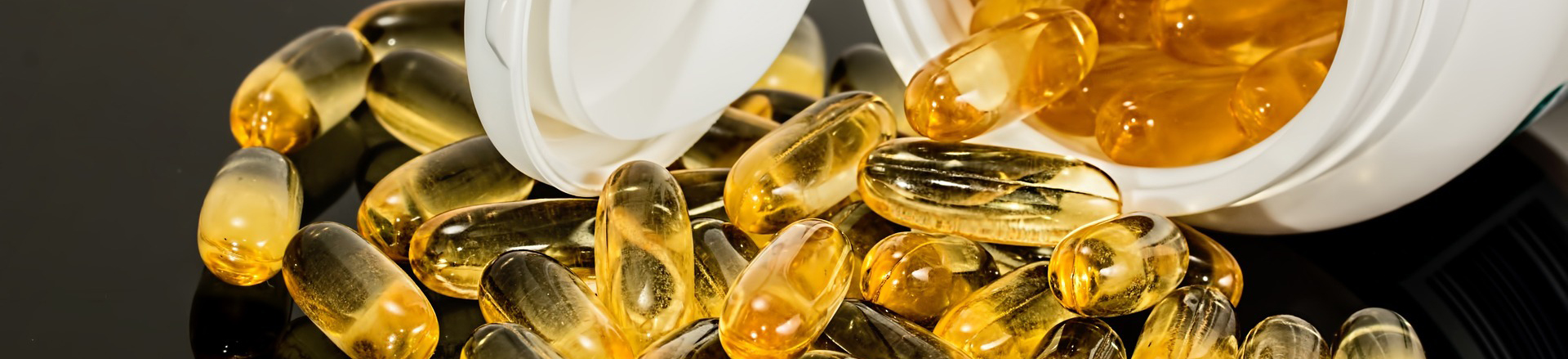
    There are so many options out on the market for multivitamins but what does our body really need?

    Women 18-45 need the following in a multivitamin:

    Daily Uptake Levels

    Vitamin A 700 μg
    Vitamin D 600 IU
    Vitamin E 15 mg
    Vitamin K 90 μg
    Vitamin B1 (Thiamin) 1.1 mg
    Vitamin B2 (Riboflavin) 1.1 mg
    Vitamin B3 (Niacin) 15 mg
    Vitamin B5 (Pantothentic Acid) 5 mg
    Vitamin B7 (Biotin) 30 μg
    Vitamin B6 (pyridoxine) 1.3 mg
    Vitamin B9 (Folate) 400 μg
    Vitamin B12 (Cobalamin) 2.4 μg
    Vitamin C 74 mg
    Choline 425 mg
    Sodium 1.5 g
    Potassium 4.7 g
    Chloride 2.3 g
    Calcium 1,000 mg
    Phosphorus 700 mg
    Magnesium 310 mg
    Iron 18 mg
    Zinc 8 mg
    Selenium 55 μg
    Iodine 150 μg
    Copper 900 μg
    Manganese 1.8 mg
    Fluoride 3 mg
    Chromium 25 μg
    Molybdenum 45 μg
    Water 2.7 L

    Women over 45 need the following in a multivitamin:

    Daily Uptake Levels

    Vitamin A 700μg
    Vitamin D 600 IU
    Vitamin E 15 mg
    Vitamin K 90 μg
    Vitamin B1 (Thiamin) 1.1 mg
    Vitamin B2 (Riboflavin) 1.1 mg
    Vitamin B3 (Niacin) 15 mg
    Vitamin B5 (Pantothentic Acid) 5 mg
    Vitamin B7 (Biotin) 30 μg
    Vitamin B6 (pyridoxine) 1.5 mg
    Vitamin B9 (Folate) 400 μg
    Vitamin B12 (Cobalamin) 2.4 μg
    Vitamin C 74 mg
    Choline 425 mg
    Sodium 1.3 g
    Potassium 4.7 g
    Chloride 2.0 g
    Calcium 1,200 mg
    Phosphorus 700 mg
    Magnesium 320 mg
    Iron 8 mg
    Zinc 8 mg
    Selenium 55 μg
    Iodine 150 μg
    Copper 900 μg
    Manganese 1.8 mg
    Fluoride 3 mg
    Chromium 20 μg
    Molybdenum 45 μg
    Water 2.7 L

    Men 18-45 need the following in a multivitamin:

    Daily Uptake Levels

    Vitamin A 900 μg
    Vitamin D 600 IU
    Vitamin E 15 mg
    Vitamin K 120 μg
    Vitamin B1 (Thiamin) 1.2 mg
    Vitamin B2 (Riboflavin) 1.3 mg
    Vitamin B3 (Niacin) 16 mg
    Vitamin B5 (Pantothentic Acid) 5 mg
    Vitamin B7 (Biotin) 30 μg
    Vitamin B6 (pyridoxine) 1.3 mg
    Vitamin B9 (Folate) 400 μg
    Vitamin B12 (Cobalamin) 2.4 μg
    Vitamin C 90 mg
    Choline 550 mg
    Sodium 1.5 g
    Potassium 4.7 g
    Chloride 2.3 g
    Calcium 1,000 mg
    Phosphorus 700 mg
    Magnesium 400 mg
    Iron 8 mg
    Zinc 11 mg
    Selenium 55 μg
    Iodine 150 μg
    Copper 900 μg
    Manganese 2.3 mg
    Fluoride 4 mg
    Chromium 35 μg
    Molybdenum 45 μg
    Water 3.7 L

    Women 18-45 need the following in a multivitamin:

    Daily Uptake Levels

    Vitamin A 900 μg
    Vitamin D 600 IU
    Vitamin E 15 mg
    Vitamin K 120 μg
    Vitamin B1 (Thiamin) 1.2 mg
    Vitamin B2 (Riboflavin) 1.3 mg
    Vitamin B3 (Niacin) 16 mg
    Vitamin B5 (Pantothentic Acid) 5 mg
    Vitamin B7 (Biotin) 30 μg
    Vitamin B6 (pyridoxine) 1.7 mg
    Vitamin B9 (Folate) 400 μg
    Vitamin B12 (Cobalamin) 2.4 μg
    Vitamin C 90 mg
    Choline 550 mg
    Sodium 1.3 g
    Potassium 4.7 g
    Chloride 2.0 g
    Calcium 1,000 mg
    Phosphorus 700 mg
    Magnesium 420 mg
    Iron 8 mg
    Zinc 11 mg
    Selenium 55 μg
    Iodine 150 μg
    Copper 900 μg
    Manganese 2.3 mg
    Fluoride 4 mg
    Chromium 30 μg
    Molybdenum 45 μg
    Water 3.7 L


    Disclaimer: These statements have not been evaluated by the FDA. These products are not intended to diagnose, treat, cure, or prevent any disease.

  • What do your vitamins do for you?

    What do your vitamins do for you?

    If you’re diet isn’t already providing all of the vitamins your body needs, you may consider adding supplements. But what vitamins and supplements do you need? Here’s a list to help you select the right vitamins for your lifestyle:

    Vitamin A is important for vision, our immune system and reproduction.

    Vitamin D is important for regulation of calcium and phosphorus absorption, maintenance of healthy bones and teeth.

    Vitamin E is an antioxidant. It helps protect against cell damage. Is key for strong immunity, healthy skin and eyes.

    Vitamin K is important in blood clotting.

    All B vitamins help the body convert food carbohydrates into fuel (glucose), which the body uses to produce energy.

    Vitamin B1 (Thiamin) helps the body metabolize fats and protein.

    Vitamin B2 (Riboflavin) crucial in breaking down food components, absorbing other nutrients, and maintaining tissues.

    Vitamin B3 (Niacin) releases energy into the body’s cells. Reduces high blood cholesterol levels.

    Vitamin B5 (Pantothenic Acid) helps lower LDL (bad) cholesterol and raises HDL (good) cholesterol.

    Vitamin B7 (Biotin) helps keep skin, nails, hair, eyes, liver and nervous system healthy.

    Vitamin B6 (pyridoxine) helps support adrenal function, help calm and maintain a healthy nervous system and are necessary for key metabolic processes.

    Vitamin B9 (Folate) is crucial for proper brain function and plays an important role in mental and emotional health.

    Vitamin B12 (Cobalamin) helps produce healthy levels of red blood cells.

    Vitamin C helps the body form and maintain connective tissue, including bones, blood vessels and skin.

    Choline is critical in normal liver metabolism.

    Sodium helps maintain normal blood pressure and normal function of muscles and nerves.

    Potassium prevents heart disease.

    Chloride helps maintain proper blood volume, blood pressure, and pH of bodily fluids.

    Calcium is required for the formation of bones and for bodily functions like muscle contractions and blood clotting.

    Phosphorus helps keep bones and teeth strong.

    Magnesium is crucial for nerve transmission, muscle contraction, blood circulation, energy production, nutrient metabolism and bone cell formation.

    Iron helps red blood cells provide oxygen to your cells and tissues. Increases energy.

    Zinc necessary for proper function of immune system and digestion.

    Selenium is necessary for cognitive function, a healthy immune system and fertility of both men and women.

    Iodine regulates metabolism and development in both skeleton and brain.

    Copper plays a role in formation of connective tissue and in normal function of muscles and the immune and nervous system.

    Manganese is important for healthy bone structure, bone metabolism, and helping to create essential enzymes for building bones.

    Fluoride prevents disease and tooth decay.

    Chromium is essential for processing and regulating blood sugar, helps insulin transport glucose into cells, where it can be used for energy.

    Molybdenum is crucial for human health. Acts as a catalyst for enzymes and helps facilitate the breakdown of amino acids.

    Water regulates body temperature. Helps improve skin color and building of new cells.


    Disclaimer: These statements have not been evaluated by the FDA. These products are not intended to diagnose, treat, cure, or prevent any disease.