Month: October 2016

  • What is the problem with GMO’s

    What is the problem with GMO’s

    There are benefits and controversies surrounding Genetically Modified Organism (GMO) foods. These are plant crops and animals that have been modified and achieved by DNA manipulation and biotechnologies. With this the seed or animals are genetically modified to meet the needs of consumers. Making consumers look at the supply and demand of these crops and animals in our nation.

    The benefit of the these GMO crops is it will enhance taste and quality of produce. GMO crops are reduced in maturation time. There is an increase in nutrients, yields, and stress tolerance. Improved resistance to disease, pests, and herbicides. With these crops there are new products and growing techniques for farmers.

    As far as GMO livestock the animals will increase in resistance, productivity, hardiness and feed efficiency. Better yields of meat, eggs and milk. Improved livestock health and diagnostic methods.

    GMO corporate claims as the impact of the environment is that GMOs are “friendly” bioherbicides and bioinsecticides. Conservation os soil, water, and energy. Better natural waste management. They claim more efficient processing. GMO corporations fight that they provide increased food security for growing populations .

    Here are the controversies surrounding GMOs. First and foremost if the safety of GMOs as they have potential human health impacts, including allergens, transfer of antibiotic resistance markers, and the unknown effects. The potential of environmental impacts, including unintended cross pollination, unknown effects on the soils and microbes and loss of flora and fauna biodiversities.

    There is a fear of domination of world food production by few corporations. Increasing our dependencies on industrial nations by developing countries. Biopiracy, or foreign exploitation of natural resources.

    As far as ethics go; there is a violation of natural organisms’ intrinsic value. The effects of tampering with nature by mixing genes among species. There are many objections to consuming animal genes in plants and visa versa. Along with the concern of the stress this puts on animals.

    Labeling is not mandatory in some countries including the united States of America. Mixing GM crops and non-GM products confounds labeling attempts. This new advance might be skewed to interests of rich countries.

    There is a lot that we have not heard as far as the longterm impact GM crops will have on our health and environment. Until, we have all of the facts it should be advised to choose GMO free foods. We have one body, fuel it smartly.


    Disclaimer: These statements have not been evaluated by the FDA. These products are not intended to diagnose, treat, cure, or prevent any disease.

  • Raw Food High Energy Bars to Power Up Your Day

    Raw Food High Energy Bars to Power Up Your Day

    If you’re on a raw food diet and are feeling like there isn’t a lot that you can eat, it’s time to think again. Raw food eating has become more and more popular over the last few years with many people realizing the different benefits that can come about by using this way of nutrition.

    How can raw food benefit you?

    Benefits Of Raw Food Eating

    The first benefit most people notice from using this diet is increased energy. You’ll no longer be putting so much strain on your digestive system to break down and digest all the toxic food that most people put into their system. Instead, you’ll be feeding yourself wholesome foods in their most natural state.

    In addition to this, you’ll also see your nutritional status go up. Eating uncooked foods often means they have more total nutritional density as nutrients have not been lost throughout the cooking process.

    Finally, raw food eating can save time. If you don’t have to cook and prepare your foods, you can create a meal in a hurry.

    Raw Food High Energy Bars

    As you begin using this nutrition plan, you do need to watch that your calorie intake stays high enough. If you have a tendency to load up on fruits, vegetables, and salads, it can mean that you start to fall deficient. While these foods are very healthy, they are also very low in calorie content.

    This high energy bar recipe will change that. Pack one of these along with you for a mid-morning snack or for a pre-workout treat and you’ll have energy to spare.

    They also combine complex carbohydrates, healthy fats, and protein, giving you everything that your body needs to function optimally.

    Prepare a large batch of this recipe so you always have these bars on hand. After preparation, simply wrap them in plastic wrap and store in the fridge or even the freezer (if using for long-term storage) until serving.

    ½ cup slivered almonds
    ¼ cup pumpkin seeds
    ¼ cup walnut pieces
    ½ cup raisins
    ½ cup dates, sliced
    ¼ cup unsweetened coconut flakes
    ¼ cup natural almond butter (pure)
    ¼ cup organic honey
    1 tbsp melted coconut oil

    Melt the coconut oil in a saucepan and then combine with the honey and almond butter. To this mixture, add the remaining ingredients until well coated. Press into an 8 X 8 inch pan and then place in the fridge until set. Slice into bars and then serve.


    Disclaimer: These statements have not been evaluated by the FDA. These products are not intended to diagnose, treat, cure, or prevent any disease.

  • Is organic food more nutritious than conventional?

    Is organic food more nutritious than conventional?

    Recent research flies in the face of studies that found no nutritional differences between conventional and organic foods. [1]

    Organic dairy appears to be more nutritious

    A study published in the British Journal of Nutrition in 2016 found that organic milk contains significantly higher levels of polyunsaturated fatty acids, omega-3 fatty acids, alpha-tocopherol, and iron than conventional milk. [2] The differences in feeding regimens explained the observed difference. Cows raised organically eat higher levels of fresh forage (e.g. grass), which increases concentrations of fatty acids, antioxidants, and vitamins.

    However, not all vitamins were higher in organic milk. Organic milk contained slightly lower levels of iodine and selenium compared to conventional milk. [3] This difference is likely due to the vitamin and mineral supplementation utilized by conventional farmers. Although organic dairy farmers are allowed to use nutritional supplementation, the majority of the cow’s nutrition comes from grazing. Soil levels of iodine and selenium have degraded over the years. Consequently, the food (in this case cow’s milk) will only be as nutritious as the soil that grew the cow’s food.

    Organic produce

    Another meta-analysis published in the British Journal of Nutrition in 2014 found meaningful differences between organic and conventional crops. [4] Polyphenols were significantly higher in organic foods. Polyphenols play important roles in plant ecology, such as releasing and suppressing growth hormone, UV protection, deterrence of herbivores, prevention of infections, signaling growth processes, and preservation against rot.

    Health protective plant chemicals were substantially higher in organic produce than conventional produce:

    • Phenolic acids were 19% higher

      • Phenolic acids are absorbed through the intestinal walls, and function as antioxidants that prevent cellular damage and inflammation. [5]
    • Flavanones were 69% higher

      • Flavanones are a subgroup of flavonoids found in citrus fruits that function as antioxidants that prevent free radical damage, cancer, and diabetes; boost blood and vessel health; and protect the liver. [6]
    • Stilbenes were 28% higher

      • Stilbenes are another type of antioxidant and anti-inflammatory polyphenol, such as resveratrol (everyone’s favorite excuse to drink red wine). [7]
    • Flavones were 26% higher

      • Flavones inhibit aromatase activity and decrease estrogen to protect against breast and prostate cancers. [8]
    • Flavonols were 50% higher

      • Flavonols are also members of the flavonoid family associated with reduced risk of cardiovascular disease, mortality, stroke, and hypertension; reduced inflammation; and increased physical endurance. [9]
    • Anthocyanins were 51% higher

      • Anthocyanins are antioxidants that have been shown to boost cognitive function, protect liver and eye health, prevent cancer (e.g. breast, prostate, colon, oral, and tumor metastasis), reduce high cholesterol and risk of heart disease, and assist with healthy weight. [10]

    Additionally, pesticide residues were four times higher in conventional produce than in organic produce. Conventional produce also had significantly higher concentrations of toxic metal cadmium. According to Occupational Safety and Health Administration (OSHA), cadmium exposure has been shown to be highly toxic, cause cancer, and target multiple body systems (e.g. cardiovascular, renal, gastrointestinal, neurological, reproductive, and respiratory). [11]

    Higher concentrations of health-promoting antioxidants and lower concentrations of toxic heavy metals were attributed to adherence to organic farming practices that do not involve synthetic fertilizers. [12] As a result, organic crops grow more slowly. They have more time to produce secondary plant metabolites and uptake nutrients from the soil. [13] Organic farmers tend to take good care of their soil with crop rotation and compost application.

    Organic plants have to fight stress just like we do

    The same compounds that help the plant survive their stress help us deal with the stress of our environment.

    Unlike conventionally raised crops, organic plants are not sprayed with tons of synthetic insecticides, herbicides, fungicides, and other agrochemicals. They must naturally build up defenses—via polyphenols and other compounds—to ward off insects, pests, and predators. They must compete with other plants (e.g. weeds) for the resources to grow, and be resilient in the face of unfavorable growing conditions.

    In light of more recent data, organic food appears to be more nutritious. What do you think? Are you skeptical? Does it even matter to you? Leave your thoughts in the comments below.


    References:

    [1] http://annals.org/aim/article/1355685/organic-foods-safer-healthier-than-conventional-alternatives-systematic-review
    [2] https://www.ncbi.nlm.nih.gov/pmc/articles/PMC4838834/
    [3] https://www.ncbi.nlm.nih.gov/pmc/articles/PMC4838834/
    [4] https://www.ncbi.nlm.nih.gov/pubmed/24968103
    [5] https://www.verywell.com/what-is-phenolic-acid-2507071
    [6] http://freefitnesstips.co.uk/5-flavanone-health-benefits/
    [7] https://www.verywell.com/stilbenes-plant-antioxidants-2507072
    [8] http://www.zhion.com/phytonutrients/Flavonols.html
    [9] http://easacademy.org/trainer-resources/article/the-effect-of-flavonols-on-health-and-exercise-eas-academy
    [10] http://www.naturallivingideas.com/7-reasons-to-eat-more-anthocyanins-and-top-foods/
    [11] https://www.osha.gov/SLTC/cadmium/
    [12] https://www.ncbi.nlm.nih.gov/pubmed/24968103
    [13] http://www.npr.org/sections/thesalt/2016/02/18/467136329/is-organic-more-nutritious-new-study-adds-to-the-evidence


    Disclaimer: These statements have not been evaluated by the FDA. These products are not intended to diagnose, treat, cure, or prevent any disease.
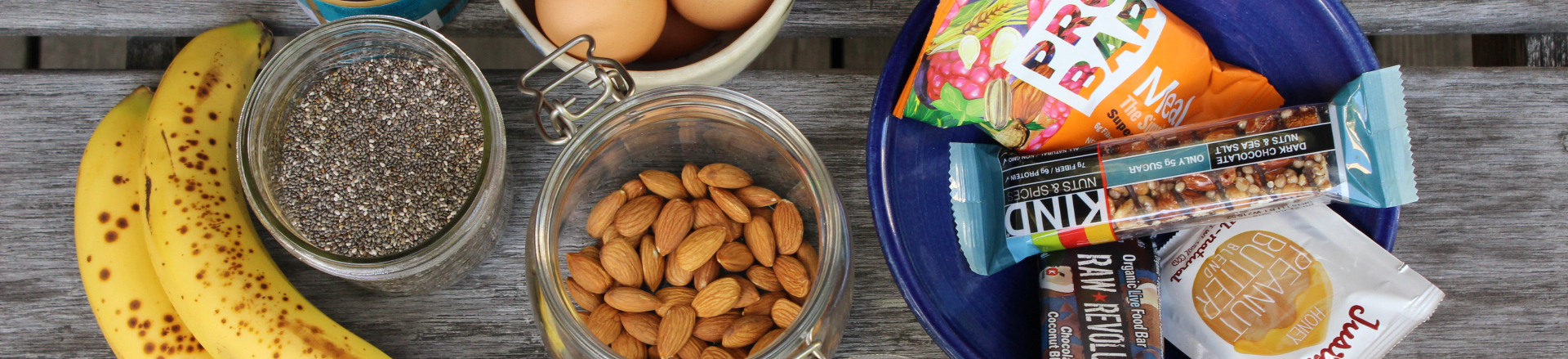
  • The Truth About Pesticides And Your Health + Safe Food Shopping Guide

    The Truth About Pesticides And Your Health + Safe Food Shopping Guide

    It’s not super easy to get to the truth about America’s pesticide usage. The latest data I could find were market estimates from 2006-2007 published in 2011. [1]

    According to the United States Environmental Protection Agency (EPA), the United States used 5.6 billion pounds of pesticides in 2006 and 2007. [2] That’s about 2.8 billion pounds per year! I can only imagine how use has increased in the past decade.

    Unfortunately, the majority of pesticides fail to reach the intended targets in their application sites (e.g. the pests and weeds). As a result, these rogue chemicals end up contaminating food, air, and water, and negatively affect the well-being of humans and non-human animals.

    The seeming omnipresence of pesticides in the environment has been linked to various physical and mental health problems: [3]

    1. Cancers, especially in children [4]
    2. Birth defects
    3. Learning disabilities and deficits
    4. Developmental delays
    5. Lower IQ
    6. Neurological problems (e.g. learning, memory, attention)
    7. Autism and ADHD [5]
    8. Decreased fertility
    9. Endocrine disruption

    Who is at risk?

    People and animals who regularly eat conventional foods grown with agrochemicals are at an elevated risk of developing health problems.

    Additionally, humans and non-human animals who live near sprayed crops are at risk. [6] This makes me quiver as I think back to the years I lived in an apartment complex sandwiched between fields of GMO corn and soy doused with Round Up.

    Infants and young children comprise an additional at-risk population due to their developing brains and bodies.[7] Compared to adults, children eat more food relative to their size, and are ill-equipped to process chemicals that enter their bodies. [8]

    According to a review by Grandjean and Landrigan (2006), children living in areas with high levels of pesticides developed impaired hand-eye coordination and short-term memory, decreased physical stamina, and trouble drawing. [9]

    Pregnant mothers are advised to be very mindful of what they put on and into their bodies. During fetal development, exposure to industrial chemicals causes brain injury at much lower doses than during adulthood.[10]

    What’s safe to eat?

    Pesticides contaminate most conventional produce. The Environmental Working Group reported that USDA testing found traces of at least one pesticide on 75% of fruit and vegetables sampled in 2014. [11]

    Eating organic produce is the best way to eliminate the harmful effects of pesticides on your health.

    Safe Food Shopping Guide

    Although organic is always the better choice, often budgetary limits prevent buying 100% organic fruits and vegetables. Below I have included the Environmental Working Group’s notorious Dirty Dozen and Clean Fifteen to assist you with your shopping. [12]

    The “Dirty Dozen” most contaminated fruits and vegetables include: [13]

    1. Strawberries
    2. Apples
    3. Nectarines
    4. Peaches
    5. Celery
    6. Grapes
    7. Cherries
    8. Spinach
    9. Tomatoes
    10. Bell peppers
    11. Cherry Tomatoes
    12. Cucumbers

    The Clean 15 least contaminated fruits and vegetables include: [14]

    1. Avocados
    2. Corn*
    3. Pineapples
    4. Cabbage
    5. Sweet peas
    6. Onions
    7. Asparagus
    8. Mangoes
    9. Papayas*
    10. Kiwi
    11. Eggplant
    12. Honeydew
    13. Grapefruit
    14. Cantaloupe
    15. Cauliflower

    *I would recommend buying organic corn and papayas, as they are amongst the most common genetically modified crops. [15]

    How do you protect yourself and your loved ones from pesticides?


    References:

    [1] http://www.panna.org/sites/default/files/EPA%20market_estimates2007.pdf
    [2] http://www.panna.org/sites/default/files/EPA%20market_estimates2007.pdf
    [3] https://www.nrdc.org/issues/ban-dangerous-pesticides
    [4] http://www.ewg.org/research/pesticide-industry-propaganda-real-story/pesticides-and-childhood-cancer-references
    [5] http://www.thepetitionsite.com/takeaction/186/416/083/
    [6] http://www.ewg.org/research/industrys-myths/myth-4-nobody-has-ever-been-hurt-exposure-pesticides-low-doses
    [7] http://www.ewg.org/research/pesticide-industry-propaganda-real-story/pesticides-and-childhood-cancer-references
    [8] http://www.ewg.org/enviroblog/2016/05/five-essential-facts-about-pesticides-fruits-and-vegetables
    [9] http://fundrogertorne.org/web2015/wp-content/uploads/2015/10/developmental-neurotoxicity-of-industrial-chemicals-grandjean-landrigan.pdf
    [10] http://fundrogertorne.org/web2015/wp-content/uploads/2015/10/developmental-neurotoxicity-of-industrial-chemicals-grandjean-landrigan.pdf
    [11] http://www.ewg.org/enviroblog/2016/05/five-essential-facts-about-pesticides-fruits-and-vegetables
    [12] https://www.ewg.org/foodnews/
    [13] https://www.ewg.org/foodnews/
    [14] https://www.ewg.org/foodnews/
    [15] http://eatlocalgrown.com/article/12060-top-gmo-foods.html


    Disclaimer: These statements have not been evaluated by the FDA. These products are not intended to diagnose, treat, cure, or prevent any disease.
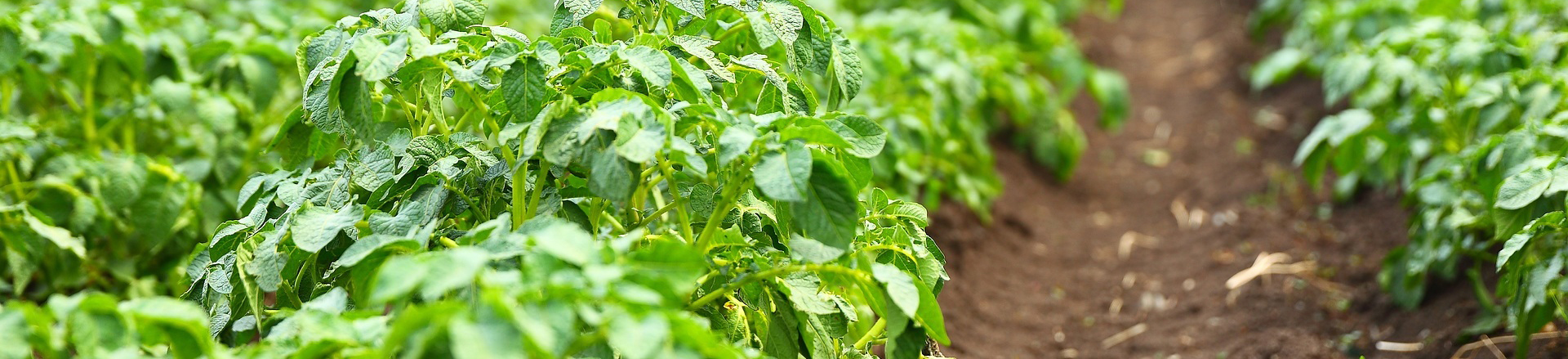
  • 5 Reasons to Choose Organic Food

    5 Reasons to Choose Organic Food

    Back in the day, all food was organic food. Produce and livestock were grown and raised without pesticides, herbicides, chemicals, synthetic fertilizers, irradiation, and genetic modification. Foods were unrefined and minimally processed until World War II, when chemical farming and food processing became the new norms.

    As a result, the soils and foods of the world have degraded in nutritional quality. Once brimming with vitamins, minerals, and nutrients, the food and soils are now filled with pollutants and farming chemicals.

    Denatured Food

    The modern processes of heavy refinement and chemical treatment have effectively denatured our food. To denature is to take away or make unnatural the very substances that are meant to help us thrive and keep us healthy and happy into old age.

    Pesticides

    Pesticides accumulate in the organs, taxing the immune system. [1] They create the conditions for disease and cancer in the liver, kidneys, and blood. With a weakened immune system, the human body has no defense to the carcinogens and pathogens that are normally filtered out of the body.

    Five reasons to buy organic food:

    1. Organic food does not use conventional agrochemicals.

      Instead, organic food is grown, raised, or produced using only approved substances. By definition, pesticides, fungicides, and herbicides are poisons developed to kill living organisms (e.g. insects, fungus, and plants). We are living organisms! Moreover, research indicates links between pesticides and cancer. [2] Unfortunately, many pesticides were approved long before research was conducted to test their safety.

    2. Organic food reduces water pollution.

      Pesticides pollute drinking water even when they are properly applied. [3] When rain falls before pesticides bind to the plant, the pesticides wash away to surface water sources, such as lakes, rivers, and reservoirs. During the recharging of groundwater and aquifers, pesticides seep into the soil, and contaminate drinking water. Additionally, conventional food systems apply pesticides to lakes and wetlands to control aquatic plant and animal life.

    3. Organic farming conserves energy by decreasing carbon emissions and cutting fossil fuel use.

      Compared to conventional methods, organic farming increases carbon sequestration. It takes carbon from the atmosphere and locks it into the soil. [4] According to David Pimentel of Cornell University, the transition to organic, local farming reduces energy inputs into the food system by fifty percent. Currently, conventional agriculture accounts for 19 percent of the United States’ energy use. It relies heavily on non-renewable energy sources with an estimated 2,000 liters of oil per year to supply each person’s food.

    4. Organic farming systems increase plant resistance and resilience.

      Instead of conventional monocultures (e.g. fields and fields of GMO corn), organic farms utilize a mix of diverse plant communities. The diversity boosts plant resistance to disruption by environmental stress (e.g. drought, hurricanes). Additionally, organic plants are more resilient and able to quickly bounce back after environmental stress.

    5. Help small farmers make the change from conventional to organic!

      The majority of organic farms are small, independently-owned operations. Most organic food is 20-30% more expensive than conventional food, and higher premiums helps farmers boost income. [5] Additionally, organic farming does not require the steep investments associated with chemical farming. Moreover, organic farmers are less dependent on money lenders. Crop failure leads to less losses and debt. Small farmers easily understand the synergy between plant and animal life forms, and can utilize traditional knowledge in organic farming.

    What’s your top reason for choosing organic?


    References:

    [1] https://www.nrdc.org/stories/24-d-most-dangerous-pesticide-youve-never-heard
    [2] https://www.nrdc.org/stories/24-d-most-dangerous-pesticide-youve-never-heard
    [3] http://npic.orst.edu/factsheets/drinkingwater.pdf
    [4] http://land-news.com/photos/organic-farming-yields-far-better-crop-resistance-and-resiliance/
    [5] https://www.organicfacts.net/organic-products/organic-cultivation/benefits-of-organic-farming-for-small-farmers.html


    Disclaimer: These statements have not been evaluated by the FDA. These products are not intended to diagnose, treat, cure, or prevent any disease.

  • 5 Ways Organic Farming Is Sustainable

    5 Ways Organic Farming Is Sustainable

    In my previous article, I clarified the meaning of the term organic to demystify this buzzword. It turns out that “organic” is not a marketing scam. The term organic denotes food grown in environments that use natural, sustainable farming practices.

    Organic farming is a sustainable alternative to conventional farming. Profit-driven, unsustainable practices that damage the health of the planet, humans, and non-human animals characterize conventional agriculture. On the other hand, organic farming works with the farm’s resources and the cycles of nature to produce food and soil that feed humans now and for years to come.


    What are the sustainable farming practices used to grow USDA-certified organic food?

    Organic crop production practices involve: soil fertility; crop rotation; the PAMS strategy of pest, weed, and disease management; organic seeds and planting stocks; and maintaining the identity and integrity of organic crops. [1]

    1. Soil fertility

    Good soil fertility allows crops to naturally resist diseases, survive droughts, and tolerate insects. [2] Organisms in the soil break down compost and animal and green manures (as opposed to the sewage sludge and biosolids!) applied by farmers. This decomposition process yields nutrients that the plants absorb. It also creates humus, the organic component of soil. Farmers use cover crops, mulches, conservation tillage, contour plowing, and strip cropping to protect the soil from wind and water erosion.

    2. Crop Rotation

    The practice of crop rotation—the rotation of crops in a field or planting bed over time—allows farmers to circumvent many problems. Instead of planting potatoes in the same field year after year, an organic farmer using crop rotation chooses to plant crops from other families (e.g. broccoli, watermelons, corn) for several years before replanting the original potato crop. Crop rotation disrupts insect life cycles, wards off plant diseases, and reduces soil erosion. It bolsters the production of organic matter, nitrogen fixation, and biodiversity. [3]

    3. The PAMS Strategy of pest, weed and disease management

    Rather than routinely dousing crops in a cascade of pesticides, fungicides, and herbicides to kill everything but the crop, organic farmers use the “PAMS” strategy. PAMS involves: prevention, avoidance, monitoring, and suppression. [4] Organic farmers may release predatory insects to decrease pest populations or lay mulch to discourage weeds. Suppression involves only approved substances, such as naturally occurring microorganisms, naturally derived insecticides, or a handful of approved synthetic substances.

    4. Organic Seeds and Planting Stocks

    In order to protect the integrity of their crops, organic crop producers do not use seeds and planting stocks that are genetically modified. [5] Buying organic ensures that you are not getting GMOs, which is awesome, since GMOs do not require labeling. Organic farmers also avoid seeds and planting stocks treated with prohibited substances (e.g. fungicides, herbicides, pesticides). Instead, organic farmers use organic seeds and planting stocks.

    5. Maintain the identity and integrity of organic crops

    Organic farmers prevent contact between organic and conventional crops, and contamination by pesticides and fertilizers. Split operations that raise both organic and conventional crops must ensure that organic crops are unscathed by conventional agrochemicals, spray drift, and residues. [6] Defined boundaries and buffer zones separate organic and conventional crops. Land must be free of prohibited materials for 36 months prior to use for organic cultivation.

    Which sustainability factor is the most important to you? List your number one concern or priority in the comments below.


    References:

    [1-6] https://www.ams.usda.gov/sites/default/files/media/Organic%20Practices%20Factsheet.pdf


    Disclaimer: These statements have not been evaluated by the FDA. These products are not intended to diagnose, treat, cure, or prevent any disease.

  • The Best Protein Sources To Add To Your Diet

    The Best Protein Sources To Add To Your Diet

    Looking to get your protein intake up higher? Check out these top sources of protein to eat daily.

    Protein is a critical part of any diet plan, especially one geared towards fat loss. Protein helps with the repair and rebuilding of lean muscle mass tissue, it helps to suppress your hunger, and it also helps to speed your metabolic rate. As you can see, it’s a nutrient you can’t afford to miss out on.

    But, which are the best protein sources to be eating on a regular basis? Let’s take a quick look at the best protein sources to include in your meal plan.

    Chicken

    Rich in protein, low in fat, and highly versatile, you simply can’t go wrong with chicken. You can cook this one in many different ways, so it’s a great stand-by to always have on hand.

    Beef

    Don’t fear beef! Even if you are focusing on fat loss, beef is an excellent source of protein and also provides a good dose of energy-boosting iron as well. Plus, it contains vitamin B12, which is hard to find in the diet.

    Choose lean cuts of beef whenever possible and add it to your menu once or twice per week.

    Egg Whites

    Egg whites are another terrific choice. While you can eat up to one whole egg per day in most cases without worry, egg whites are great after that.

    They’re a high volume food, meaning you get plenty of food for few calories. This makes them a great option for those seeking fat loss results. They’ll combat hunger without putting a huge dent in your calorie intake.

    Salmon

    To help bring your omega-3 fatty acid intake up, consider salmon. Salmon is a rich source of protein and these omega fats will help to improve blood glucose control, increase brain health, boost heart health, and simply improve your overall well-being. It’s one food you don’t want to miss out on.

    Cottage Cheese

    Finally, don’t overlook the value of cottage cheese. This type of protein is known as casein protein, which is slow to digest in the body and great for combating hunger. It’s also a perfect protein source to help provide some bone-building calcium as well.

    Serve it with a few grapes as a snack or on the side of your main meal.

    So have a good look at your current diet plan. Are you getting these protein sources in? If not, now is the time to start.


    Disclaimer: These statements have not been evaluated by the FDA. These products are not intended to diagnose, treat, cure, or prevent any disease.

  • Cheat Meals 101: Why They Help And How To Use Them

    Cheat Meals 101: Why They Help And How To Use Them

    Should you be using a cheat meal? Find out how these can help boost your progress here.

    Cheat meals. It’s something that almost every dieter wants to know about – and may be dreaming about the entire time they are on the plan. Many have the notion that having a cheat meal is basically experiencing a set-back and could even result in fat gain.

    But, this isn’t always the case. In fact, cheat meals, when used properly, can help you see faster success than if you didn’t use them.

    Here’s the low-down on how cheat meals can benefit you.

    A Lesson On Leptin

    Whenever you go on a reduced calorie diet, your body will slowly begin to adapt. Your metabolic rate will slow down thanks to a hormone called leptin, which is produced in your body fat cells. When leptin levels start to decline, your daily calorie burn drops, hunger goes up, fatigue sets in, and basically, you want to come off that diet plan entirely.

    Leptins goal is to stop the perceived starvation (your diet) from occurring.

    Enter The Cheat Meal

    The best way to get leptin back to normal amounts is to simply gain the weight you’ve just lost back again. Since this is clearly not desirable, there is an alternative. You can temporarily reset leptin levels through eating a very high calorie meal, specially high in carbohydrates.

    When you do this, the body thinks it’s no longer starving and leptin returns back to baseline. With it, you’ll also see food cravings decrease, hunger become more manageable, and your energy level will increase.

    Often when weight loss slows, it’s because leptin is too low and your metabolism is running at slow speeds. When you have a cheat meal however, you raise your metabolism back up and then when you go back down to that lower calorie intake, fat burning continues.

    Cheating For Success

    So how can you maximize your chances of success? First, focus that cheat meal primarily on carbohydrate rich foods. Keep fats lower as this will help ensure that you don’t gain excess body fat from the cheat meal itself. Carbohydrates have more of an influence, so they should be the focus.

    Then, know how often to cheat. Obviously you can’t cheat too often or you will just gain weight.

    Those with 20 pounds or more to lose should cheat once per month while those with fewer than 10 pounds to lose can cheat every other week.

    If you plan your chest meals correctly and use the right foods, they can both satisfy your food cravings and help you see faster results.


    Disclaimer: These statements have not been evaluated by the FDA. These products are not intended to diagnose, treat, cure, or prevent any disease.

  • Are Fat Burners Worth The Investment?

    Are Fat Burners Worth The Investment?

    Should you consider a fat burner? Here’s a little more information to help you decide.

    After making the decision to focus on fat loss, you may decide to look at the many different fat burners out there to choose from. Could a fat burner give you an extra edge allowing you to see optimal results?

    Many people aren’t quite certain about fat burners, so let’s clear up some of this confusion.

    What Fat Burners Do

    Fat burners are, as their name suggests, a product designed to help you burn fat. They assist the weight loss process by either suppressing your appetite, making it easier to stick with your diet plan, giving you more energy throughout the day so you’ll burn more calories over all, or through boosting your metabolic rate, also increasing your calorie burn.

    Basically, they help to make the fat loss process and sticking with your plan that much easier.

    Common ingredients in fat burners include yohimbe, bitter orange, caffeine, as well as green tea extract. Each ingredient will have its own unique set of benefits and most fat burners have a different combination of ingredients and their dosage.

    Who Should Use Fat Burners

    So who should use fat burners? The key point to note here is that you should not use a fat burner unless you are on and following a proper diet and exercise plan. Don’t use a fat burner thinking it will get you result alone. It won’t. This is where most people go wrong. They believe that if they use a fat burner, they don’t have to worry about dieting or exercising regularly.

    This is not the case however. You need that proper plan first and then from there you can use a fat burner to help give you an extra edge.

    Weighing The Risks Worth The Benefits

    Always remember, all good things come with drawbacks. While fat burners may help accelerate fat loss results, they aren’t without side effects. Especially if they contain caffeine or bitter orange, you may experience side effects such as increased heart rates, higher blood pressure levels, feelings of anxiety, and nervousness.

    So keep these points in mind. Fat burners can be helpful but only when used in moderation in the proper dosages.


    Disclaimer: These statements have not been evaluated by the FDA. These products are not intended to diagnose, treat, cure, or prevent any disease.

  • A Closer Look At Protein Powder Varieties

    A Closer Look At Protein Powder Varieties

    Which protein powder variety is right for you? Find out with this overview of the top choices.

    Thinking of adding protein powder to your daily routine? If you’ve been doing your research, you know by now that adding more protein to your menu is key for optimal success. Protein powder just happens to be a great way to do just that. If you aren’t keen on eating multiple chicken breasts per day and are watching your fat content putting steak and eggs out of the question, you’re going to need an alternative solution.

    Protein powder can fill in the missing void, however it is important to realize that not all protein powder varieties are created equally.

    Let’s take a closer look at the main types of protein powder and what you should know about each of them.

    Whey Protein Powder

    The most commonly used protein powder is just your standard whey protein. This protein powder is typically cost effective and contains an average of 20-23 grams of protein per scoop, along with a gram of two of each fat and carbs.

    This protein powder has been shown to help blunt appetite levels, so using it in the day may actually help you see faster fat loss results. It also contains immunoglobins, which serve to strengthen your immune system and may help keep you feeling strong and healthy.

    For someone on the hunt for a basic protein powder, it’s a great choice to use.

    Whey Isolate Protein Powder

    If, on the other hand, you want a protein powder that’s designed for immediately after exercise, a whey isolate protein powder is the better route to go. This is another form of whey protein powder only this time, it’s been processed for rapid digestion.

    The minute it hits your blood stream, it’ll start breaking down, delivering you the amino acids your body is hungry for. This protein powder typically contains very few grams of carbs and fats and is great for jump-starting recovery.

    Casein Protein Powder

    Finally casein protein powder is the third option and is a slower digesting form of protein, so is directly opposite that of whey isolate powder. This one is thicker in consistently and best to use before bed as you are entering the overnight fast.

    It’s also a good option if you know you’ll be going quite a few hours between meals.

    So there you have a brief look at the different types of protein powders. Choose whichever one will meet your needs and requirements best.


    Disclaimer: These statements have not been evaluated by the FDA. These products are not intended to diagnose, treat, cure, or prevent any disease.